Forcing yourself to go to the Gym via a technical commitment device
This week, I literally locked myself into going to the gym four days in a row. How? By using a technical Commitment Device.
I used to do these four steps:
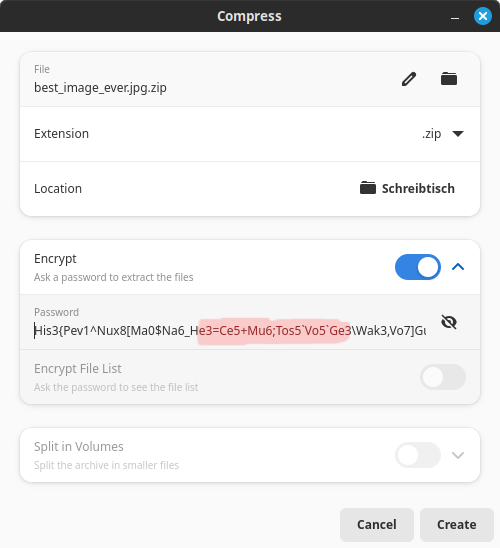
- I used a password generator to create a massive, 100-character password.
- Then I took a very important private photo, packed it into an archive file, and locked it with that new 100-character password. (This is a standard feature on most Linux and Windows machines). There was no backup of that private photo.
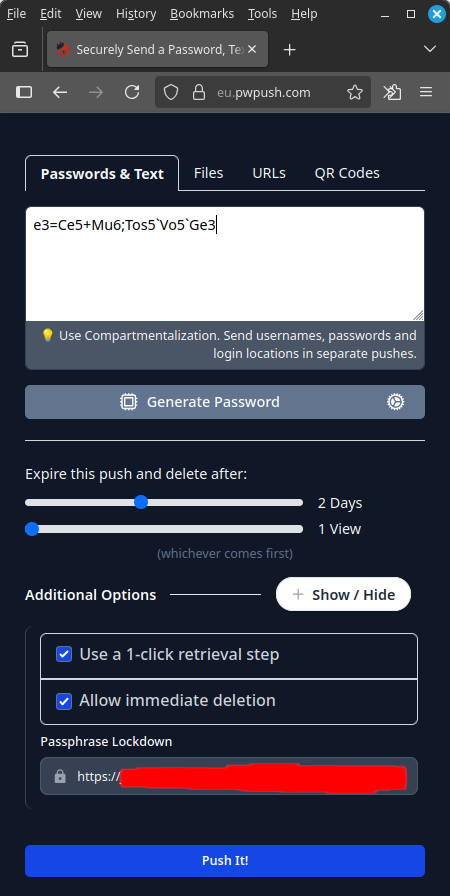
- Here’s the interesting part: I used a self-destructing password service (like pwpush.com, it’s open source) and split my master password into four chunks of 25 characters each. I uploaded each chunk separately. For the “passphrase” to view each chunk, I used the exact same text every time: the content of a specific QR code posted on the wall at my gym. That QR code is a long hyperlink containing cryptic letters. The first link expires after one day, the second link after two days etc. Right after setting it up, I deleted the QR code’s text from my phone. The only way to get it back was to physically go to the gym and scan it again.
- Every day, my routine was forced: Go to the gym, scan the QR code, use its content to unlock one 25-character chunk from pwpush.com. If I missed a single day, one piece of the password would be lost forever, and I’d never unlock my precious file. This image is AI generated since I don’t want to upload pictures of my actual gym.

Since I never took a picture of the QR code and I had no control over the pwpush server (which automatically deletes the chunks after time), I had absolutely no choice. I had to go. And since I was already there, 90% of the mental battle was won—so I ended up working out every time. Excuses like “I’m too tired” or “I don’t have time” were completely eliminated by the system.
Does this whole thing sound a little exaggerated? It absolutely is! But that’s the nature of a true commitment device. It’s designed to remove willpower from the equation.